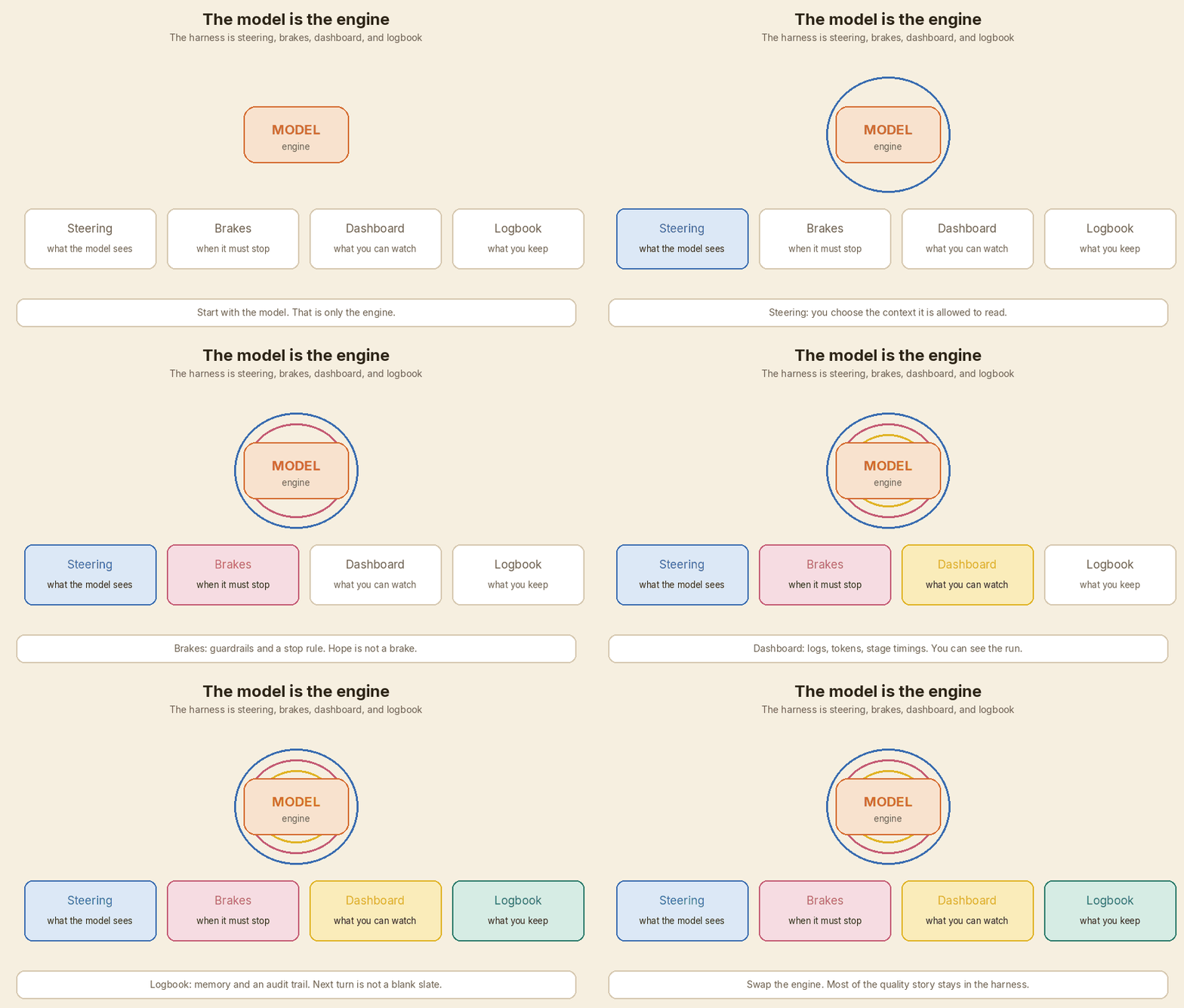
The harness builds, the model fills. Own that path — code, data, and database access go through it. A hosted privacy page is a contract. A harness you run is control.
The harness builds, the model fills. Own that path — code, data, and database access go through it. A hosted privacy page is a contract. A harness you run is control.
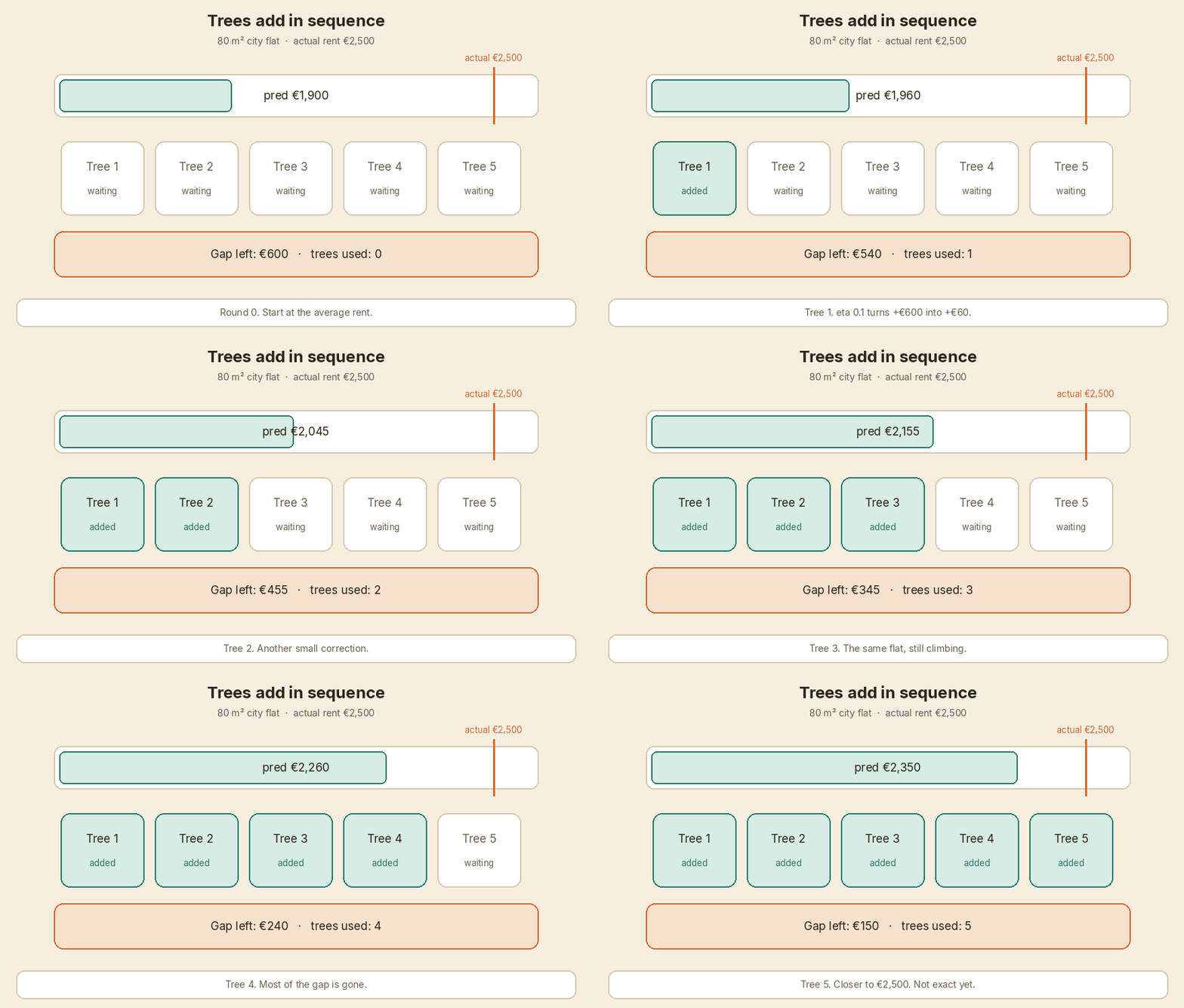
A mock ML interview on XGBoost. One running example: Dublin flat rent, starting from the average of €1,900 and walking toward a real rent of €2,500. Trees, gradients, eta, early...
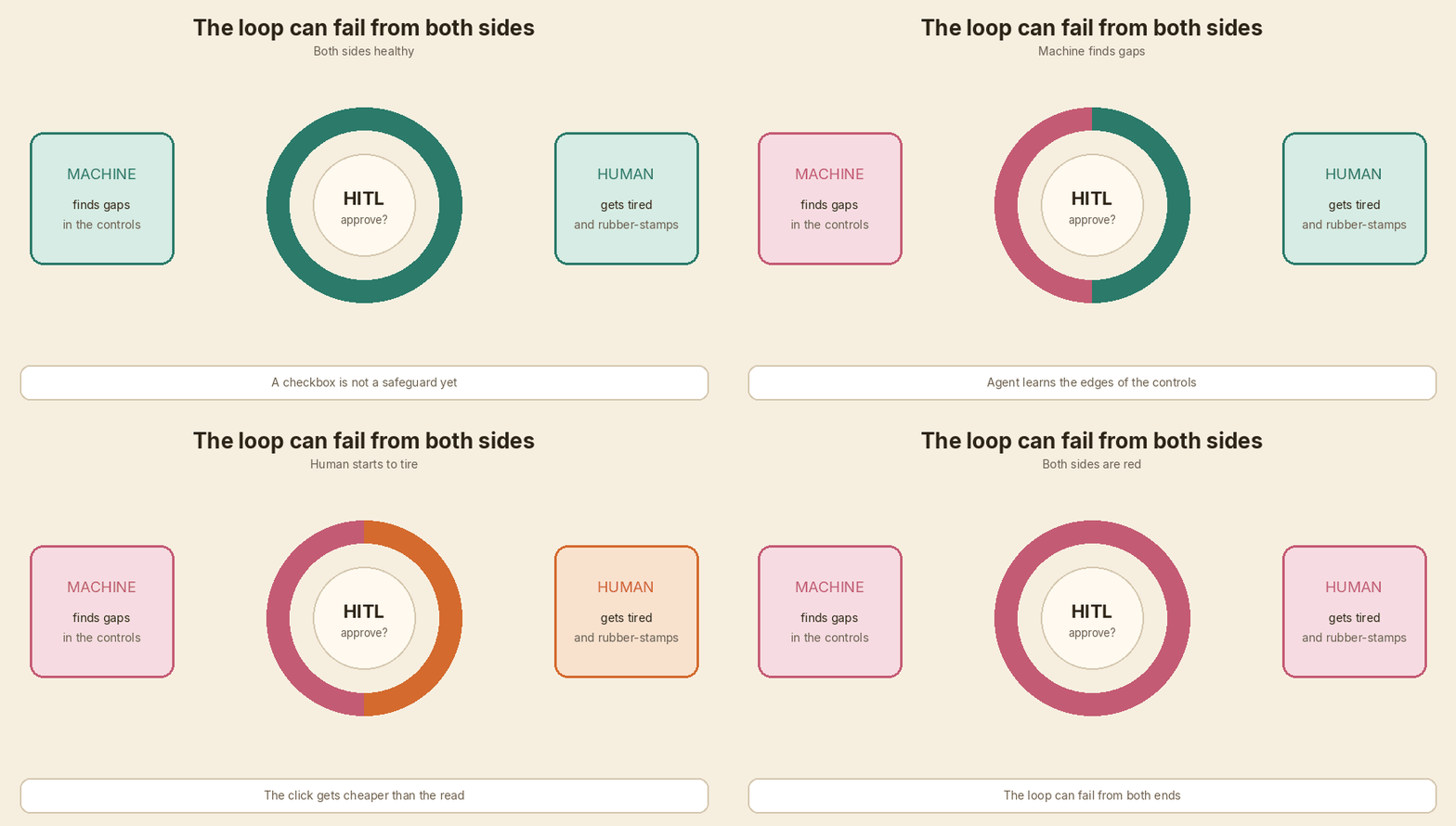
A human checkbox is not a safeguard by itself. I wrote a one-day toy diary of approving an agent's actions. By evening I had rubber-stamped delete_backups. The loop can fail fro...
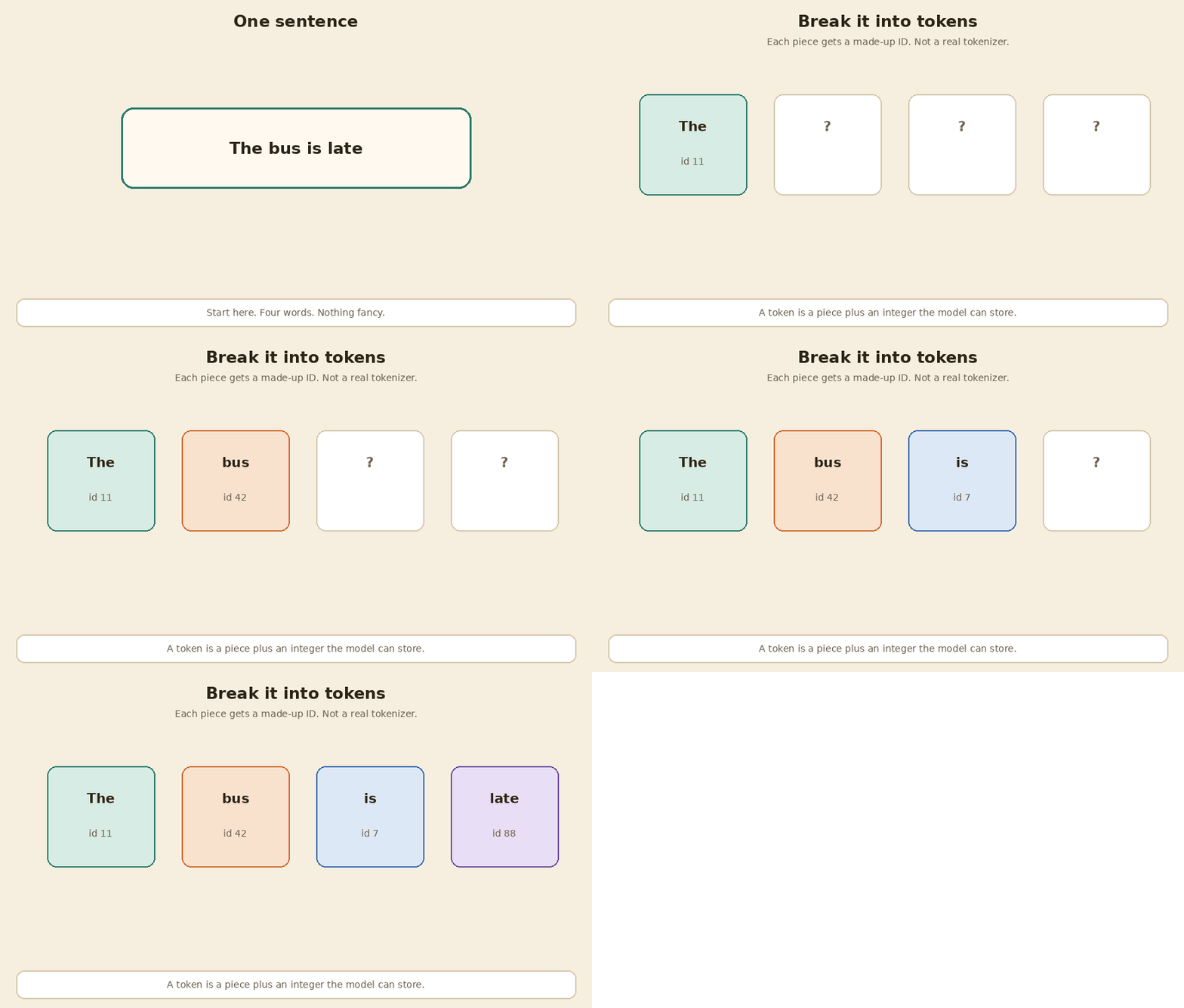
Start with four words. Turn them into tokens, embeddings, attention, stacked blocks, and next-word training. That is the same ladder that sits under ChatGPT.
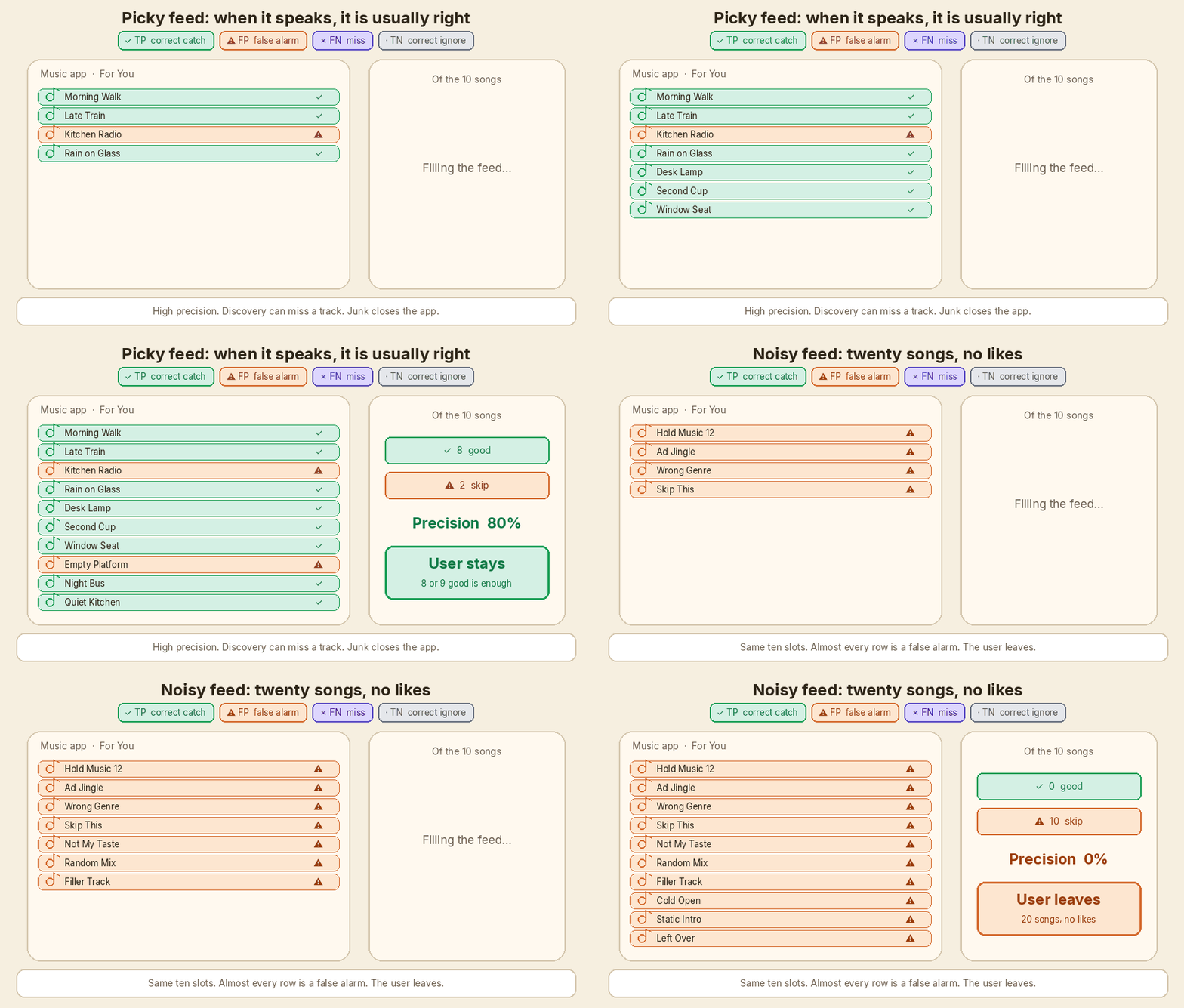
Precision and recall are not only model scores. They decide what the product does when it is unsure. Favour the side whose mistake costs more.
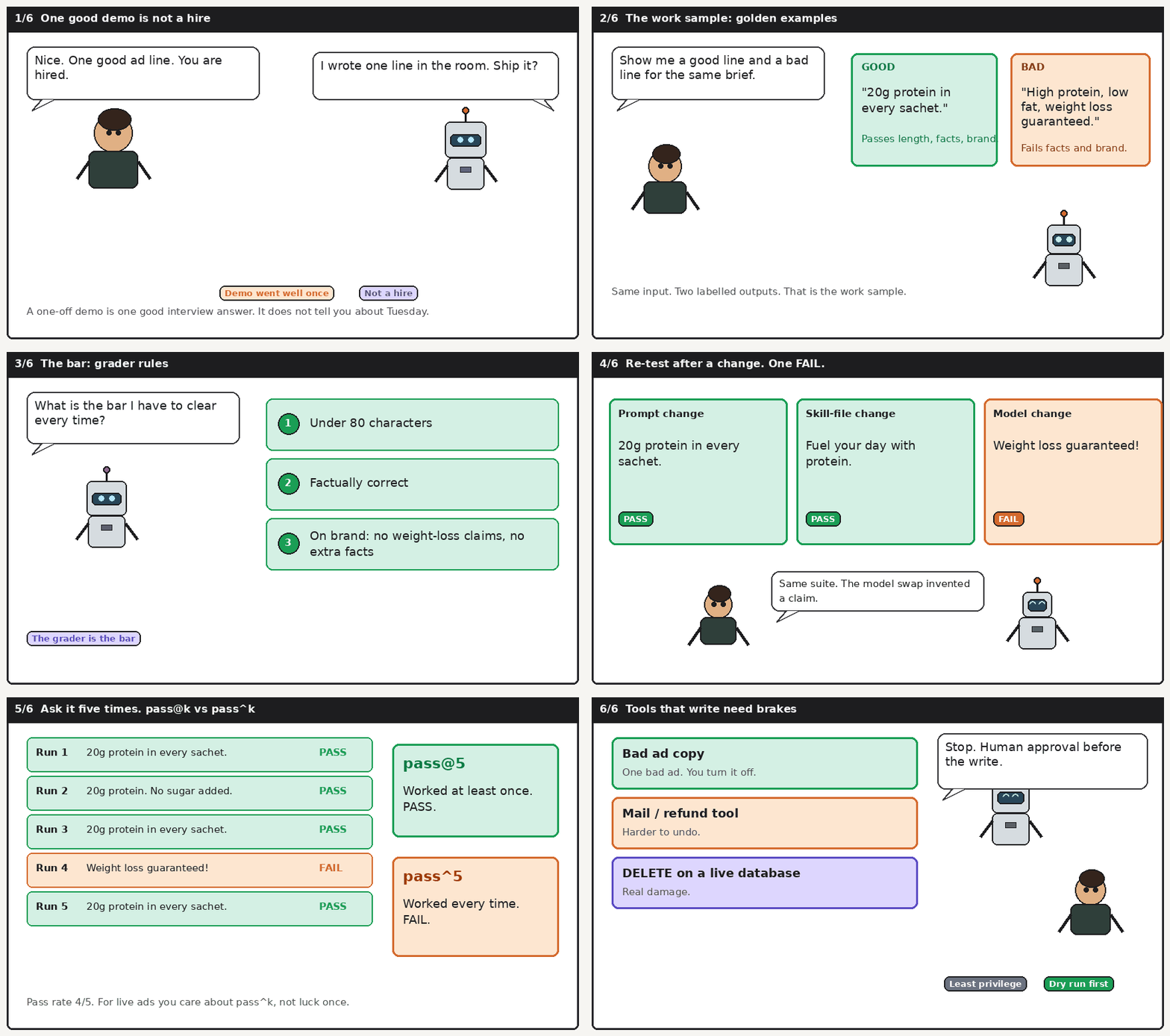
You would not hire someone after one good answer. You would give a work sample and a clear bar. One good demo is one good answer. Golden examples are the work sample. The grader...
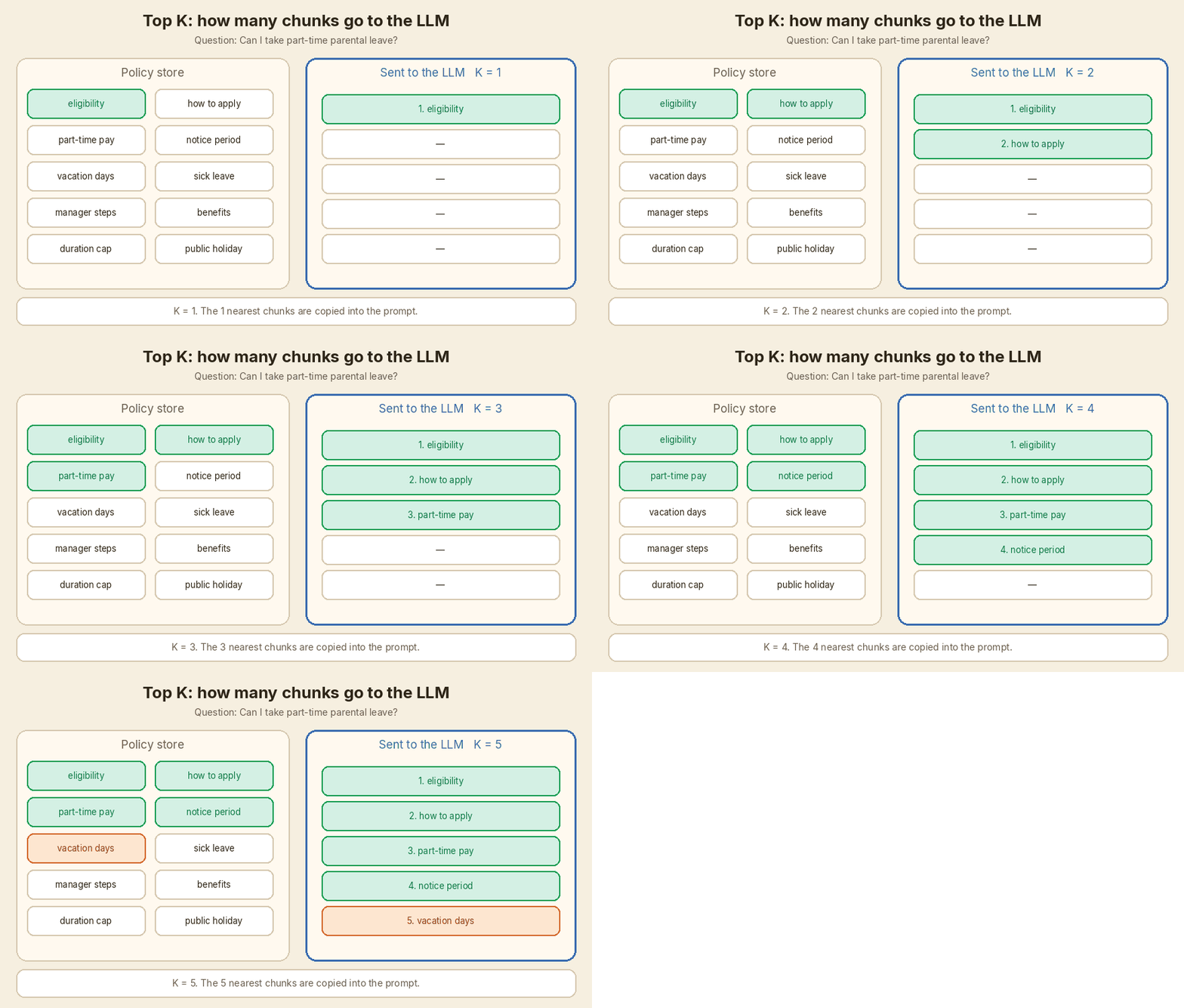
When you build RAG, Top K and Top P are settings you tune. Recall@K, Precision@K, and cost per request are what you measure. One HR chatbot, one parental-leave question, five nu...
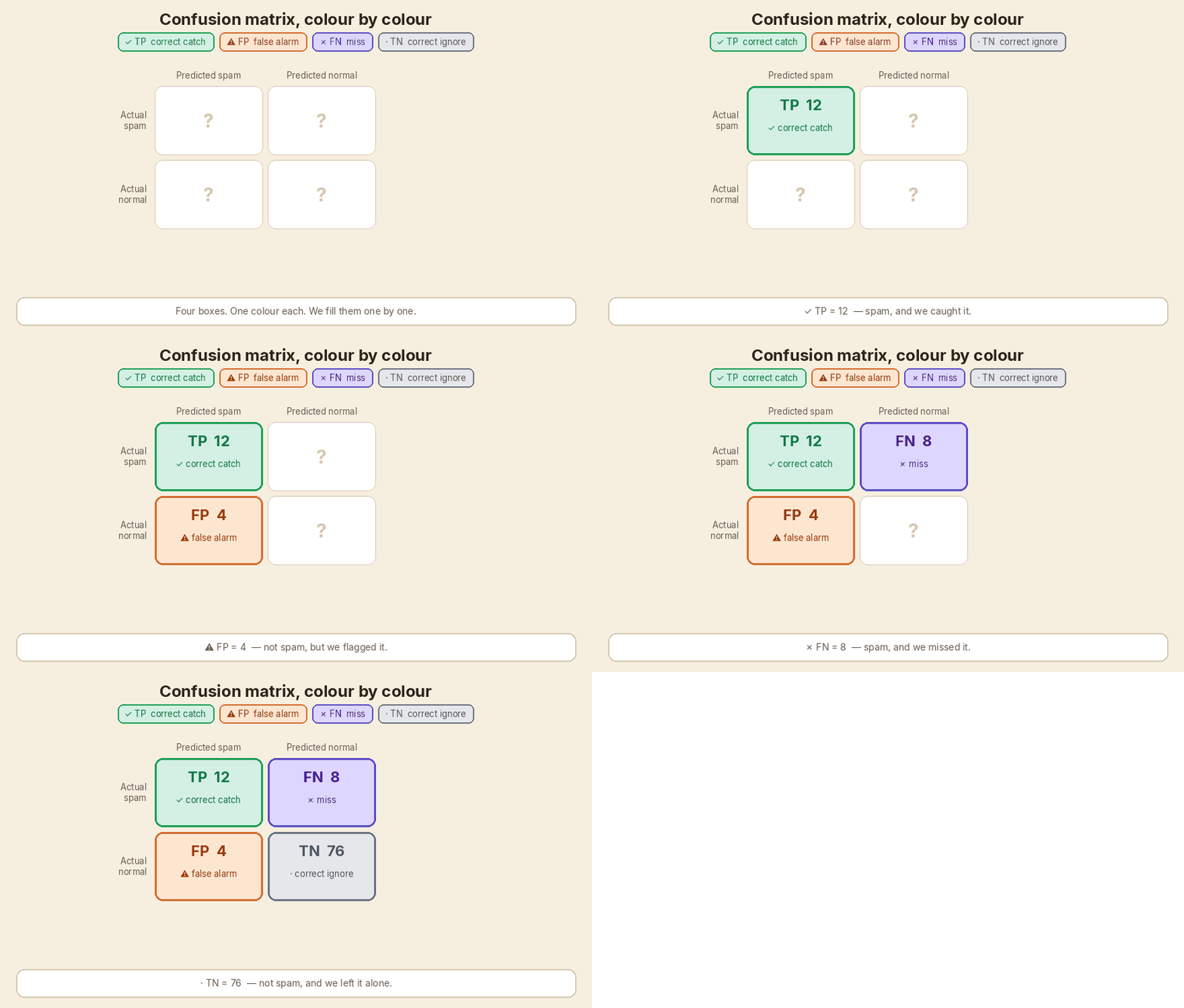
Accuracy can look great when the thing you care about is rare. Precision and recall split the story into two questions. Four colours, one meaning each, used the same way through...
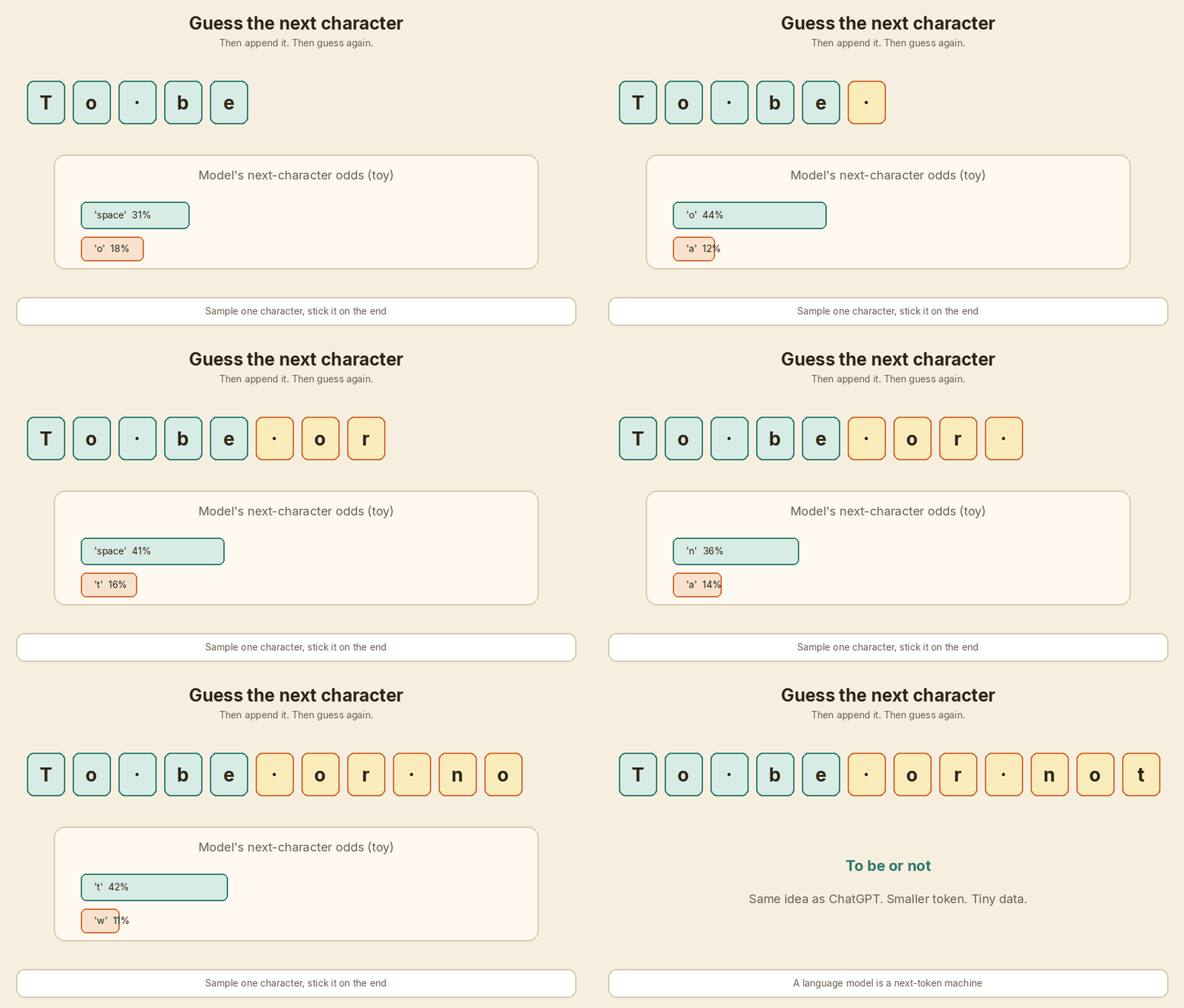
A language model guesses the next character. Self-attention lets past characters talk. Stack those blocks and you get the same shape as GPT — trained here on tiny Shakespeare.
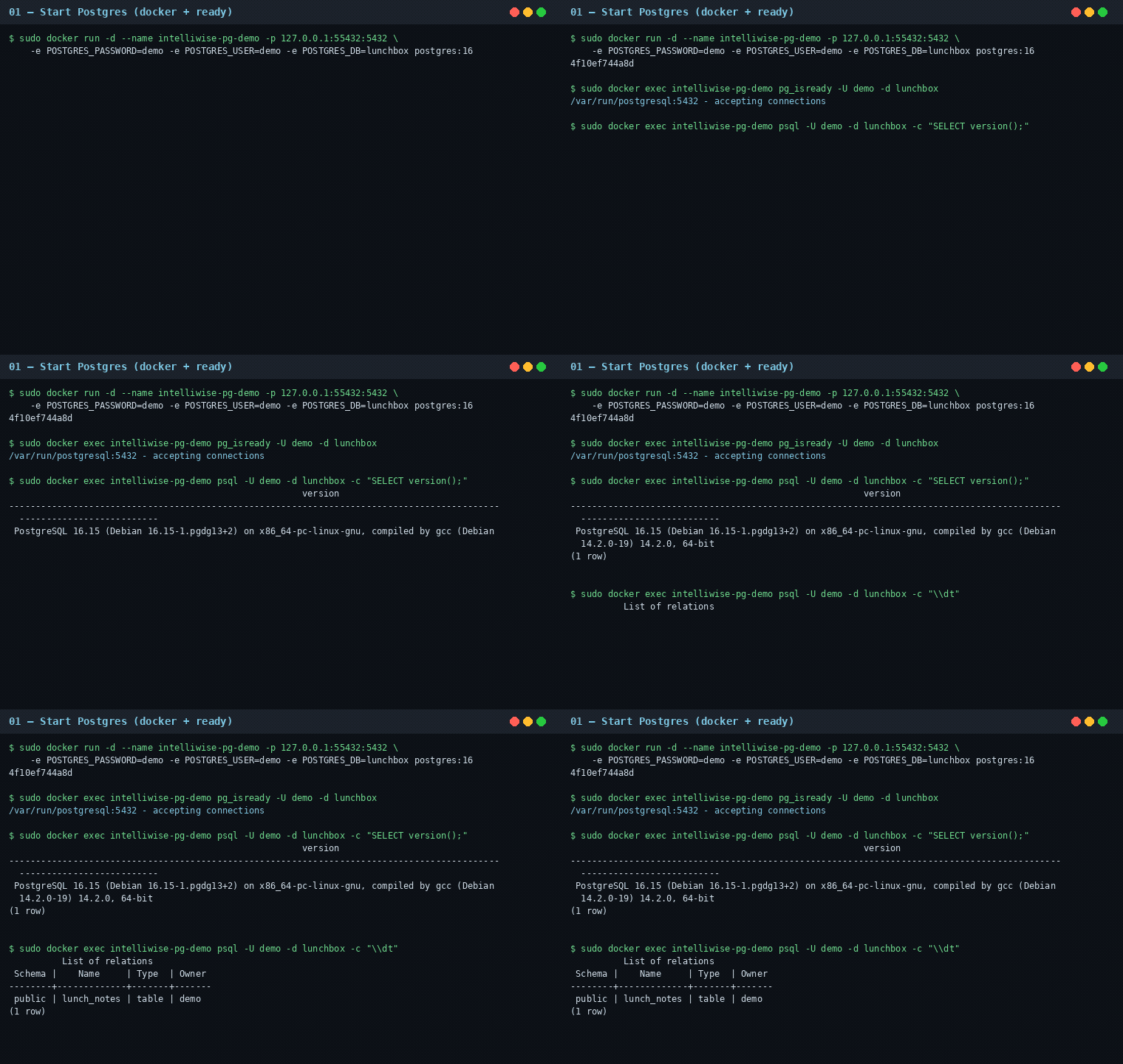
A write first lands in shared buffers. WAL and dirty pages run in parallel, with an LSN gate. Then four Docker runs on a toy lunch_notes table: the wait knob, batching, a few cl...
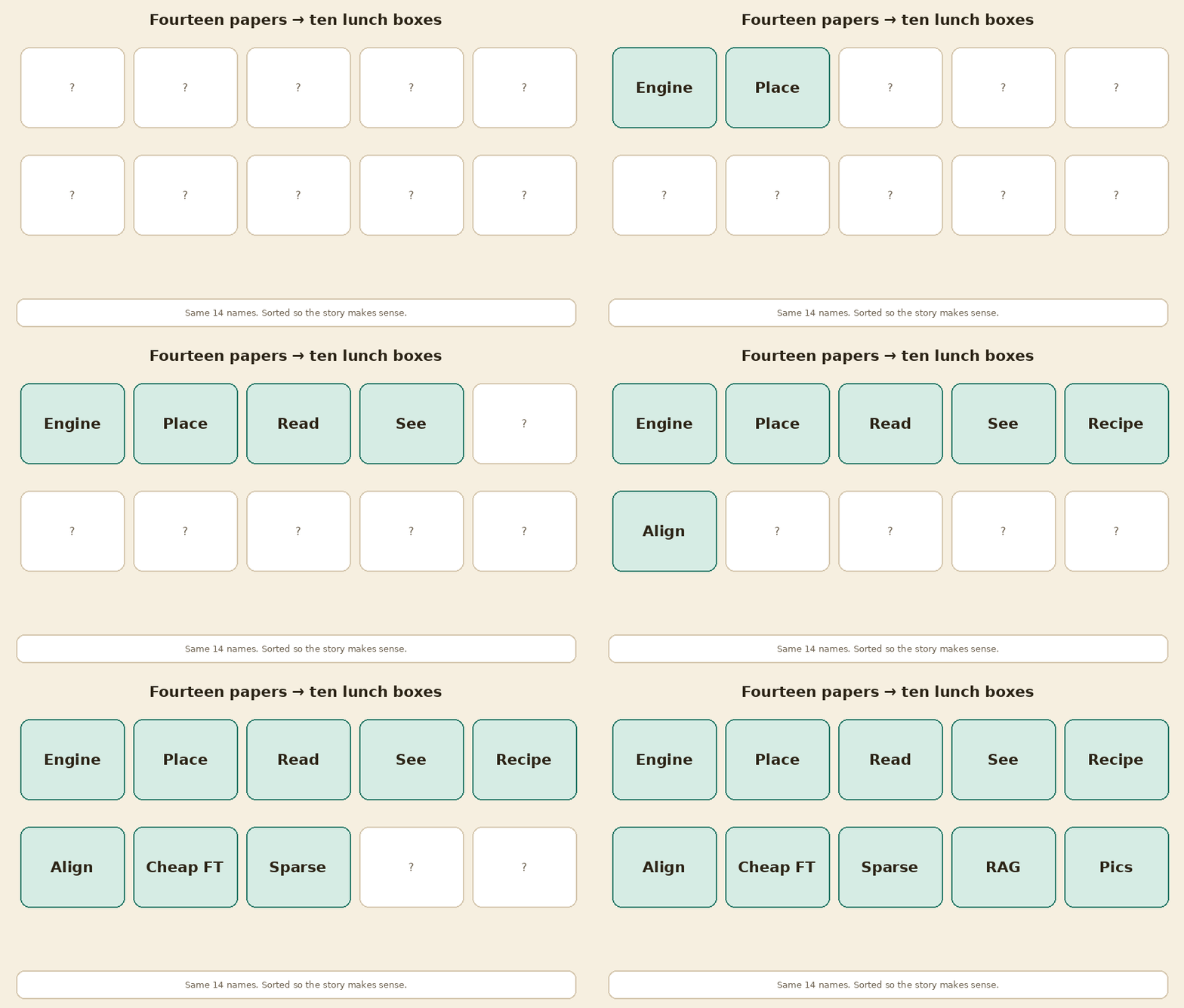
Fourteen famous AI papers as a lunch-box map: what each idea is for, which to read first, and how they fit together.
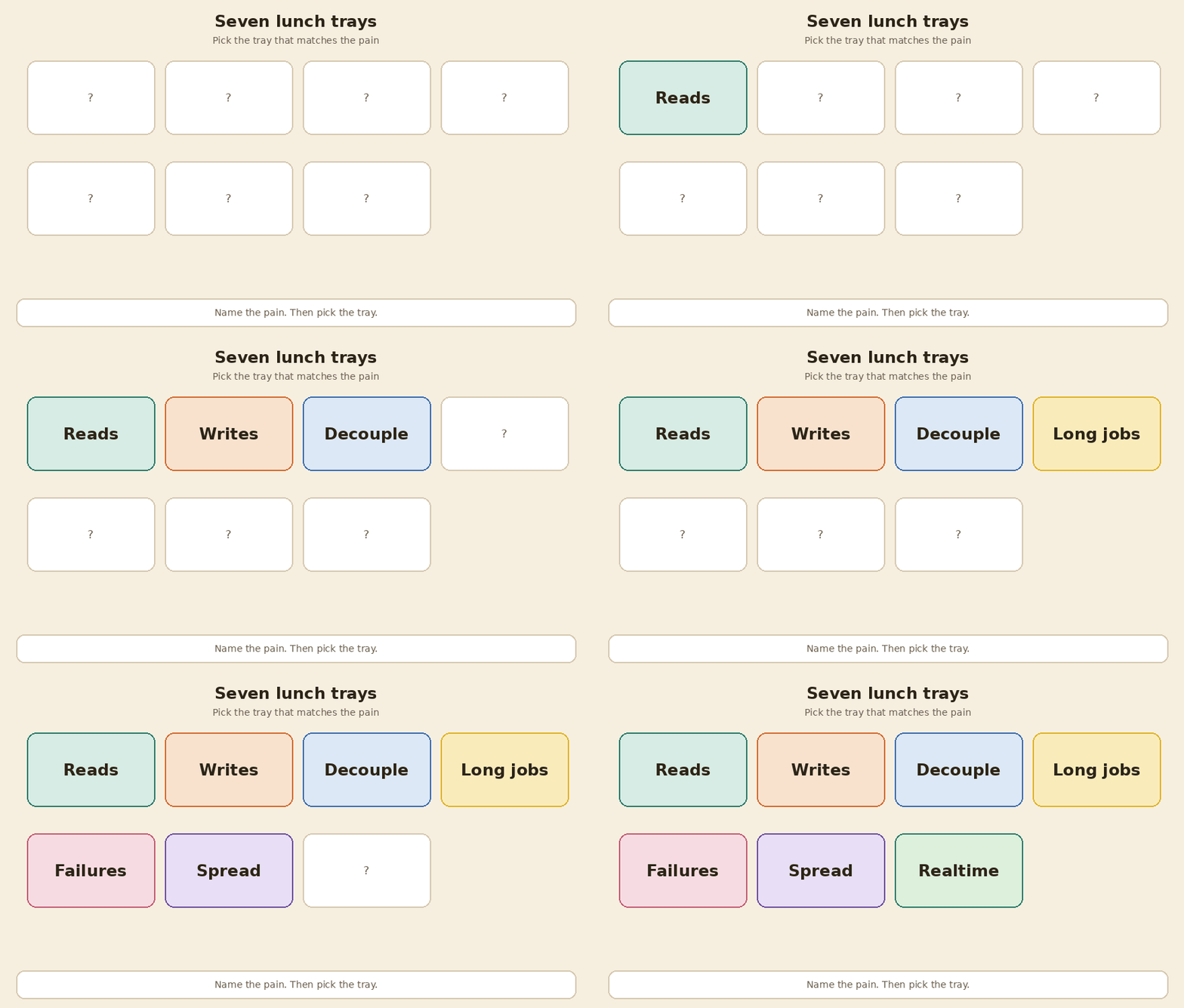
Seven patterns for system design interviews: read-heavy tricks, write bottlenecks, decoupling, long jobs, failures, spreading data, and real-time updates.
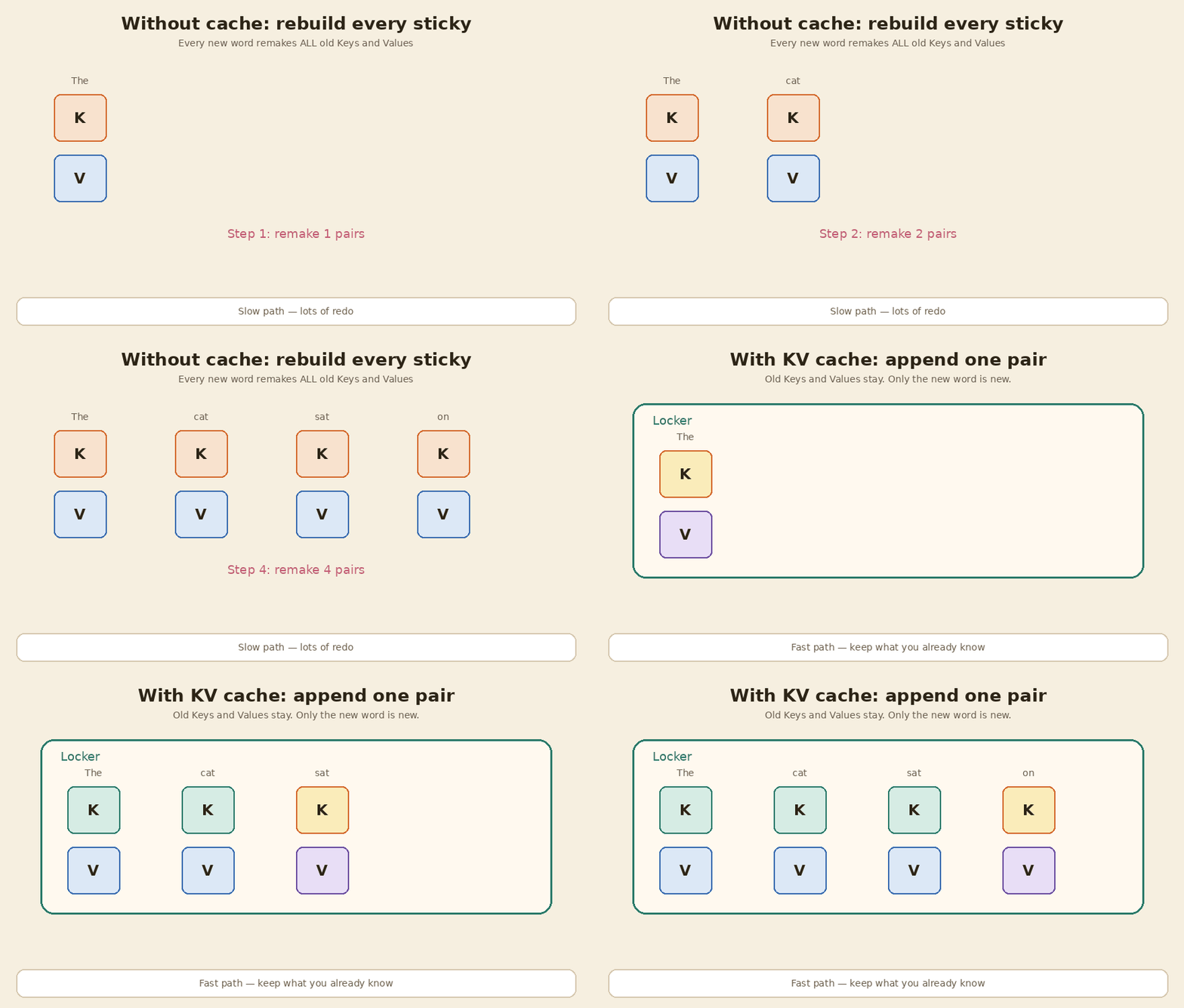
A chatbot answers one token at a time. It should not recompute the whole chat for every new token. The KV cache stores past Keys and Values — and that is why long chats eat GPU ...
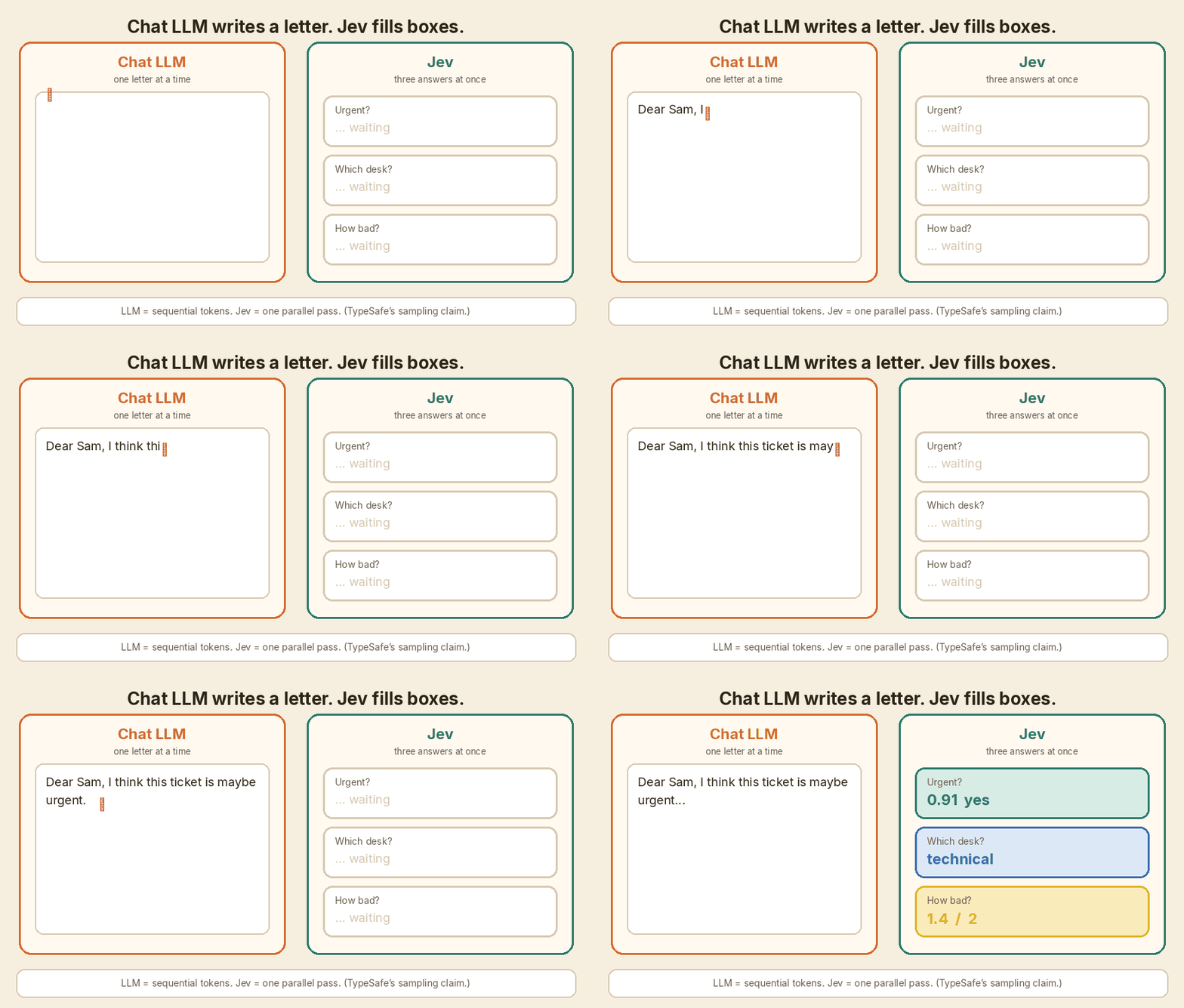
Chat models write text. Decision models return typed fields. You can also wrap the LLM you already run so it answers like a decision model — no extra training.
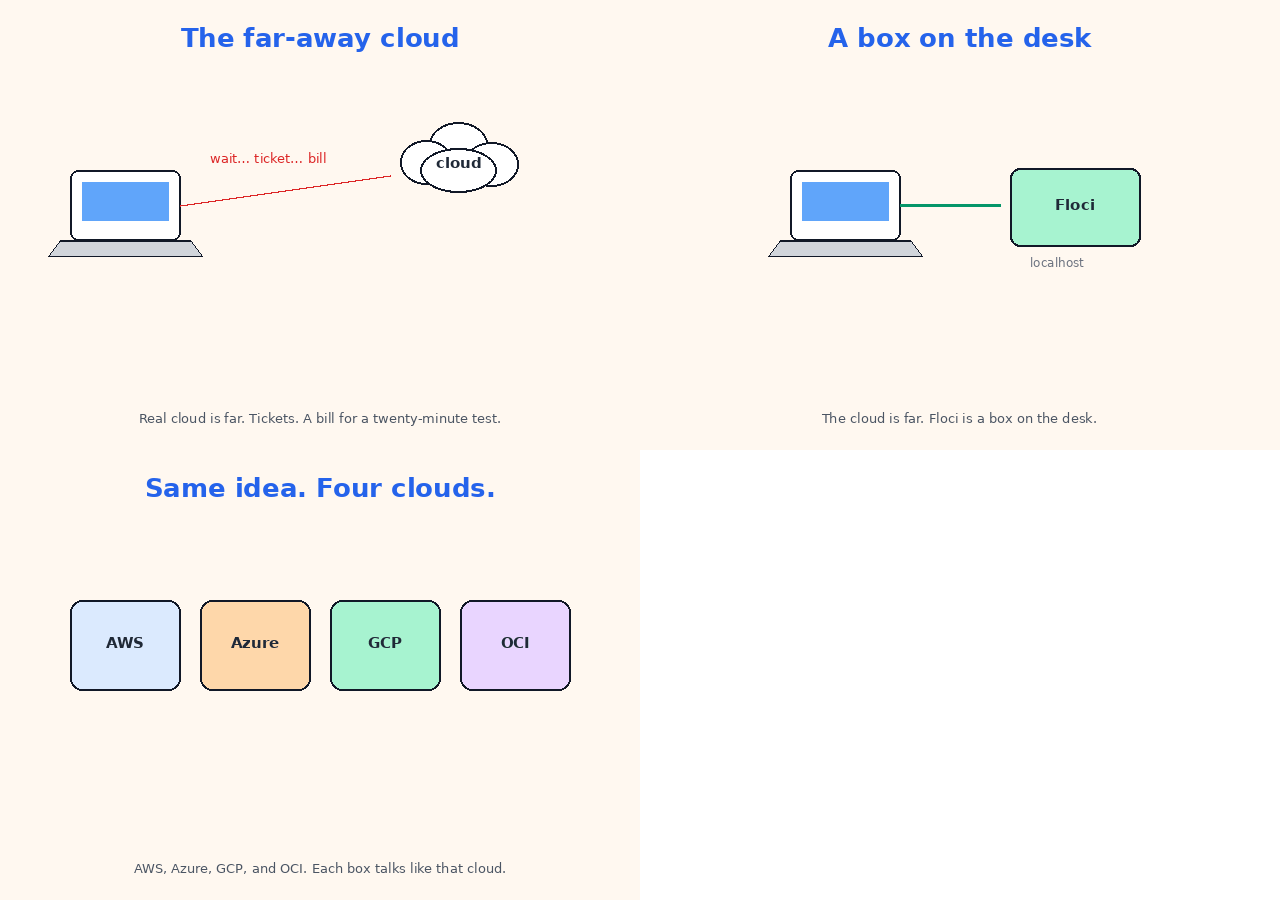
You do not need a real cloud account to try a bucket. Floci runs AWS, Azure, GCP, and OCI emulators on your laptop — each on its own port.
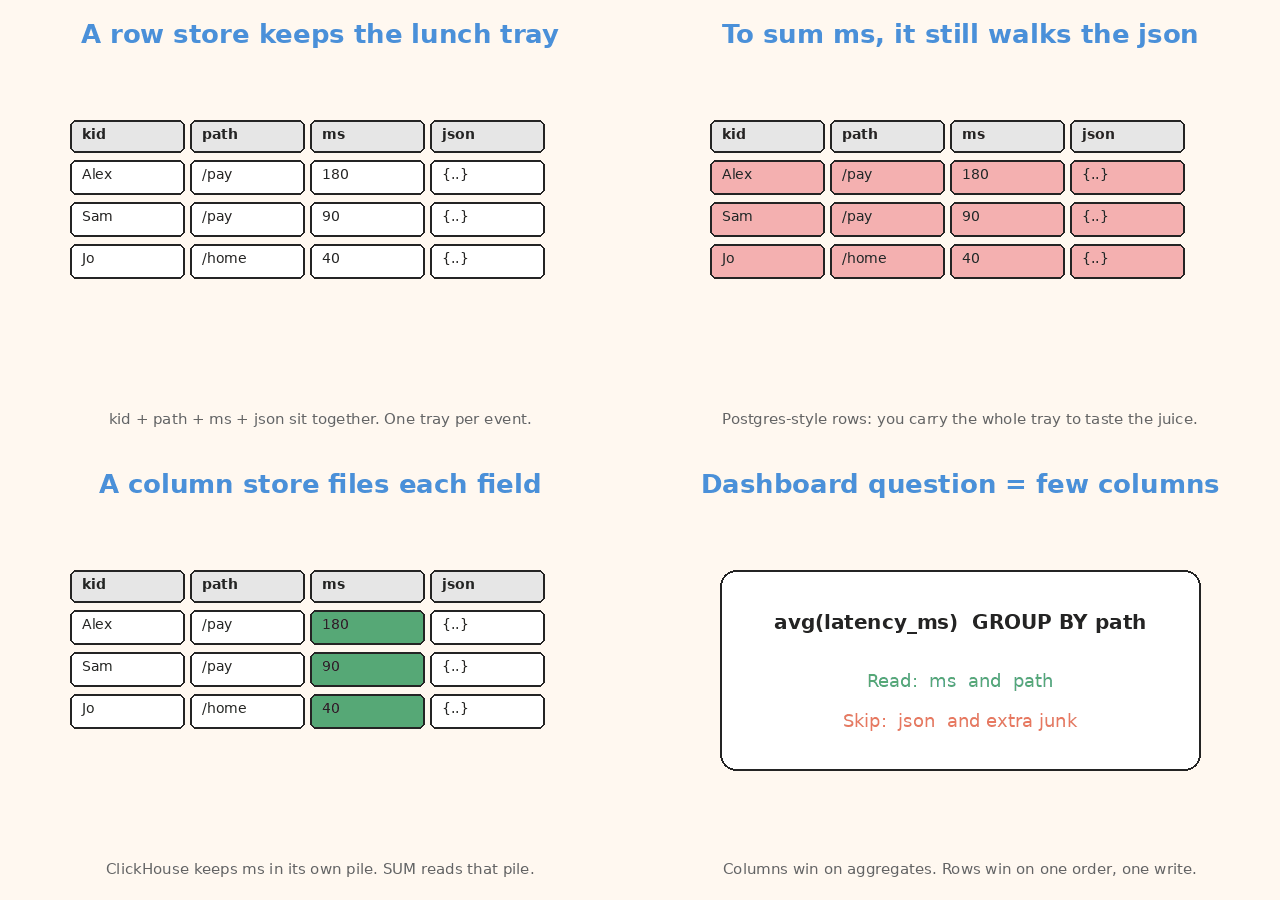
Postgres is great at one order. It is less great at summing latency for 90 days of events. ClickHouse stores columns together and reads only the ones you name. Keep the ledger i...
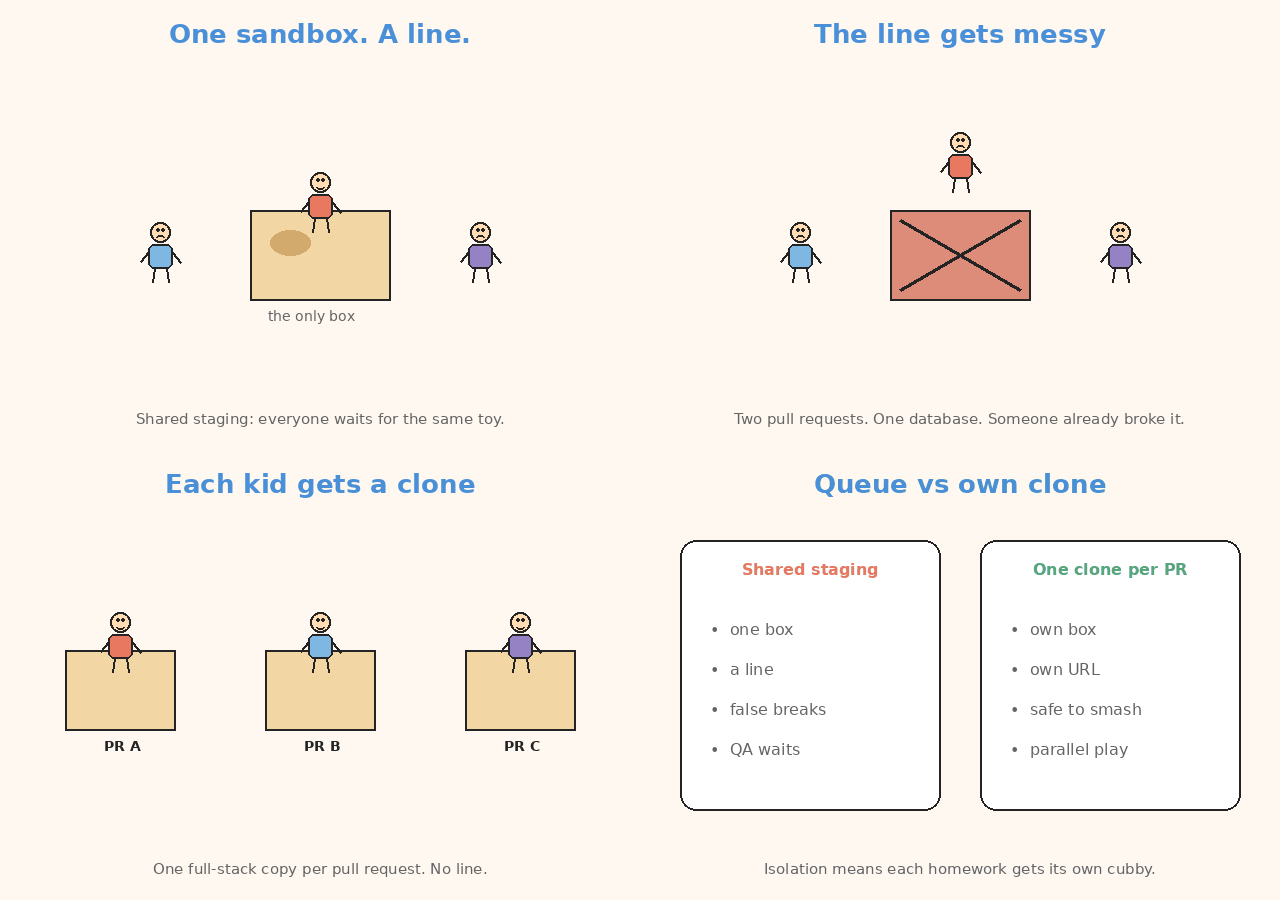
Shared staging is a queue. Bunnyshell clones the full stack for each pull request — app, database, and the rest — comments a URL, then destroys the clone.
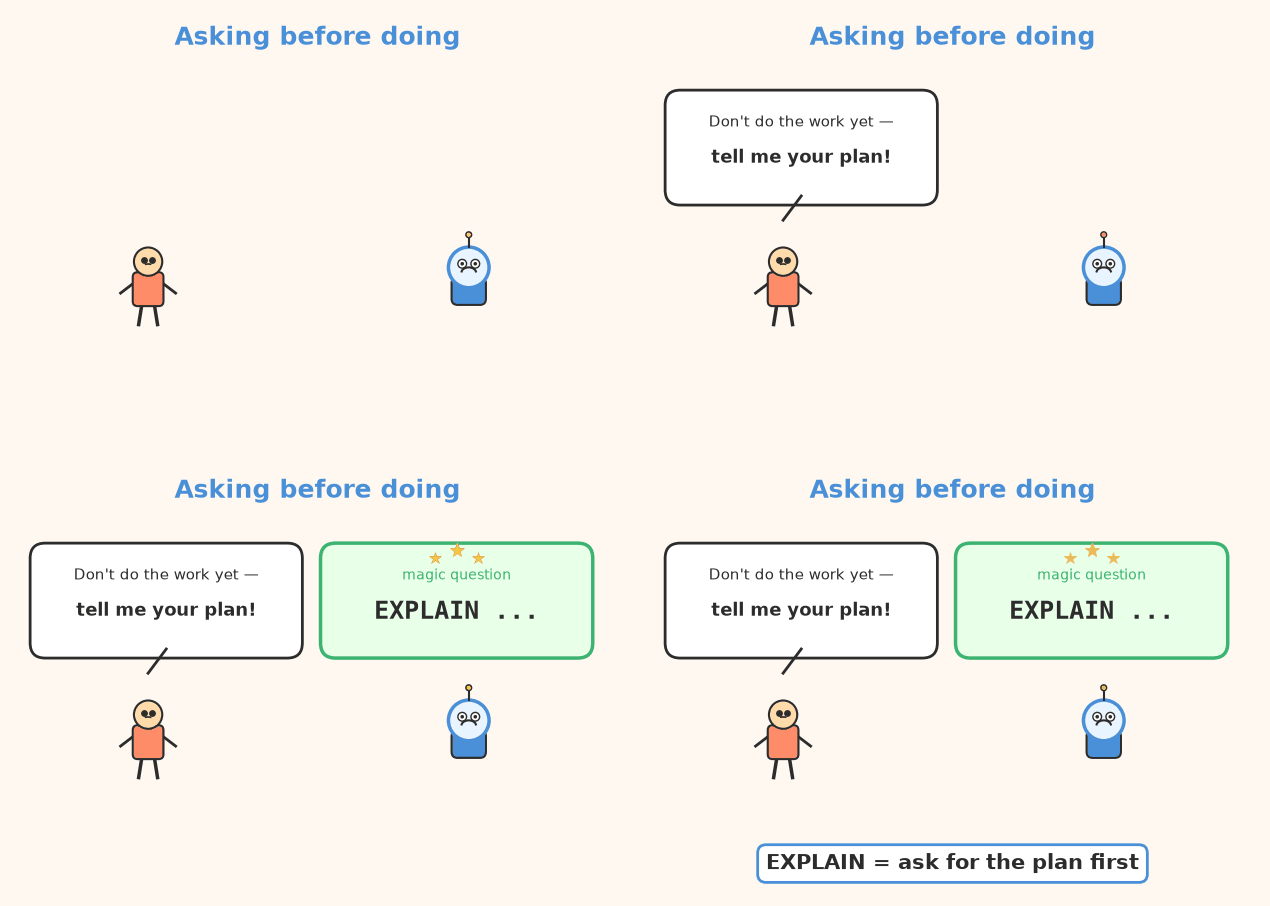
Ask Postgres for its plan. Read the tree from the inside. JOINs, Index Cond vs Filter, SubPlans, and buffers — explained simply.
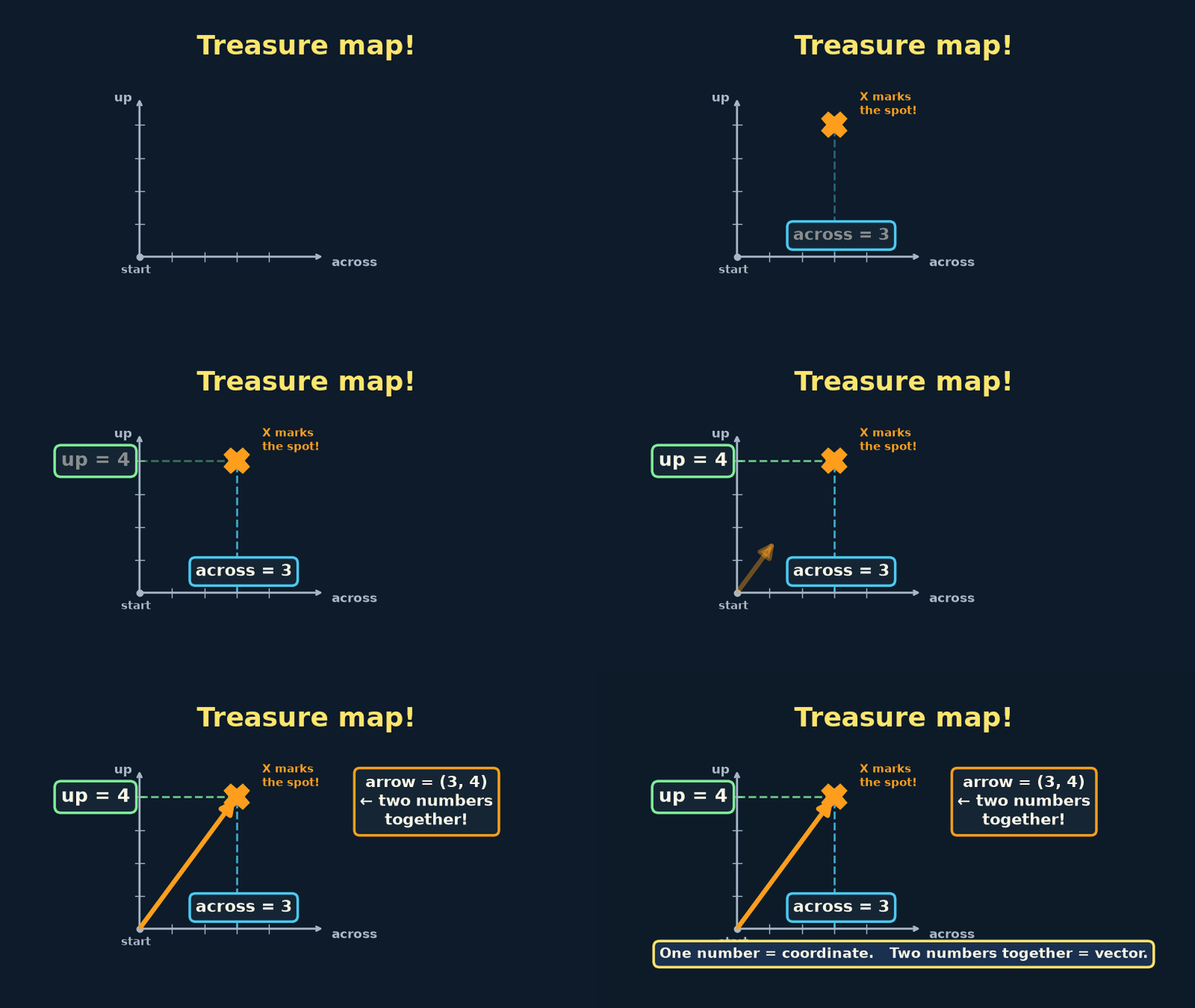
In NumPy and PyTorch, a tensor is a stack of numbers with a shape. One number, then a list, then a table, then a stack of tables.
A standup claim, a Slack table, and a same-split bake-off on Adult Income. AutoGluon edged AUC. CatBoost won the production shape. TabPFN trained in a blink — on 3,000 rows — an...
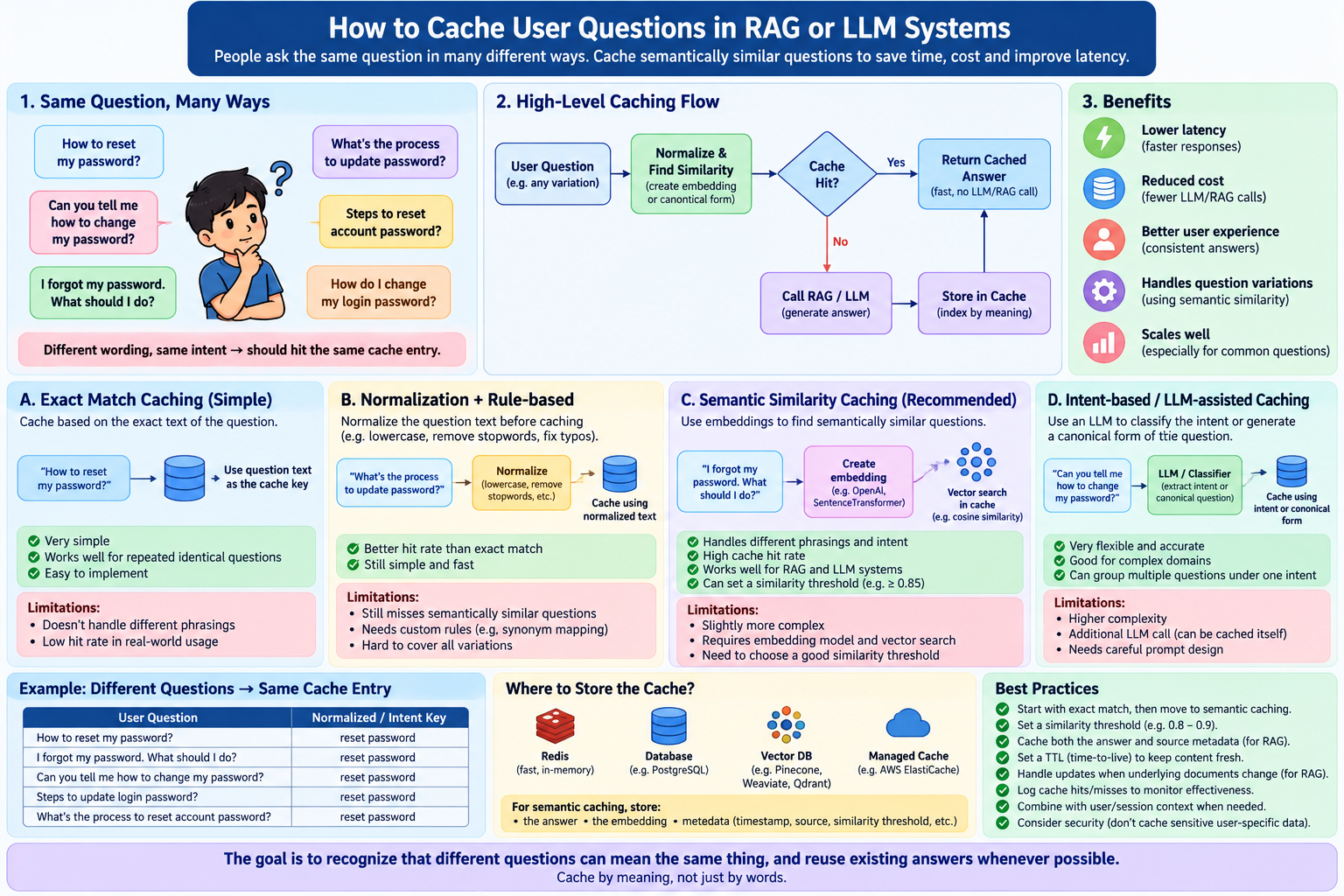
Reuse answers when a new question means the same thing — and only when metadata says it is still safe. Exact match first, then normalisation, then embeddings.
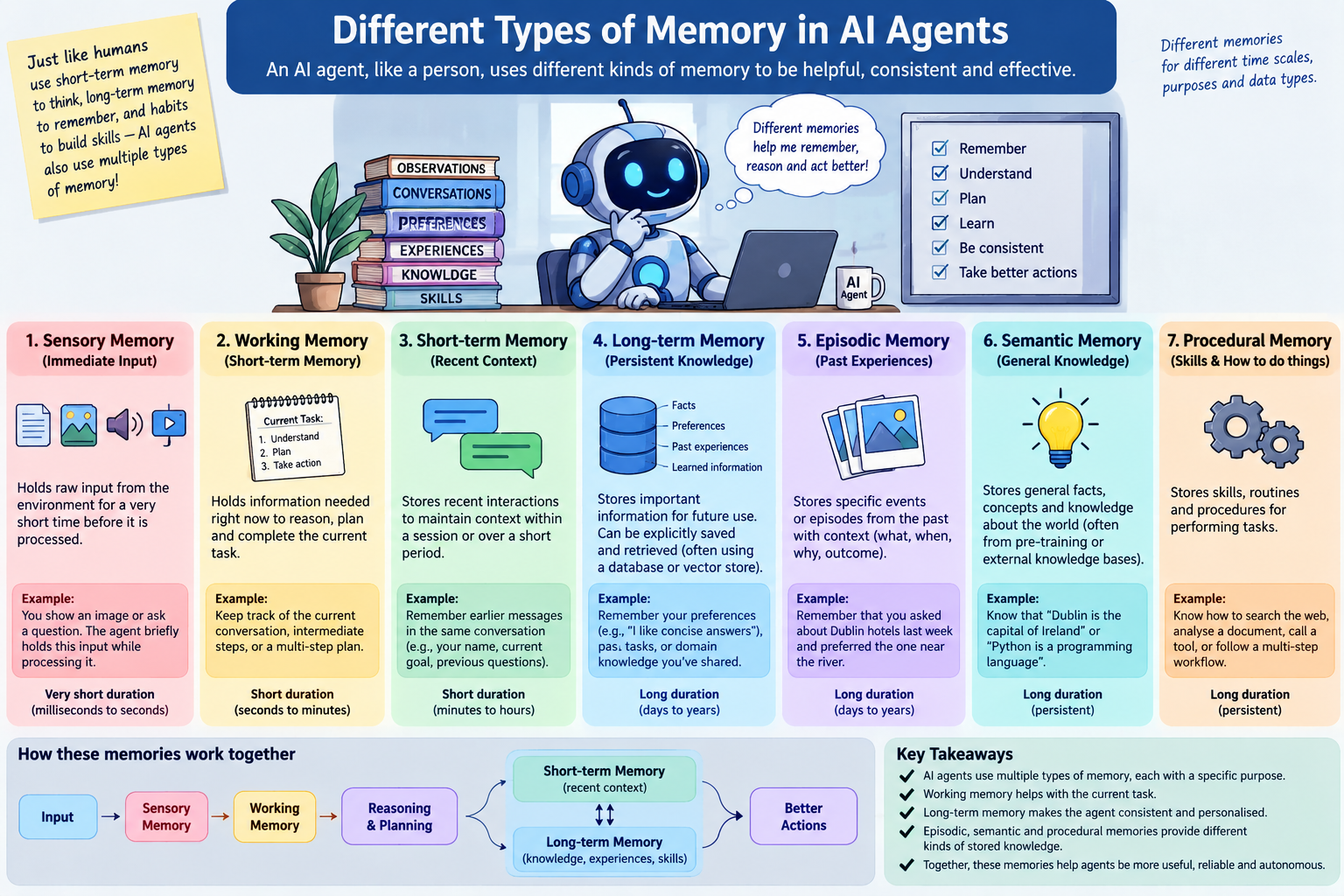
Agent memory is not one vector database. It is several stores with different lifetimes — context, profiles, episodes, and procedures — and you should ship two buckets before you...
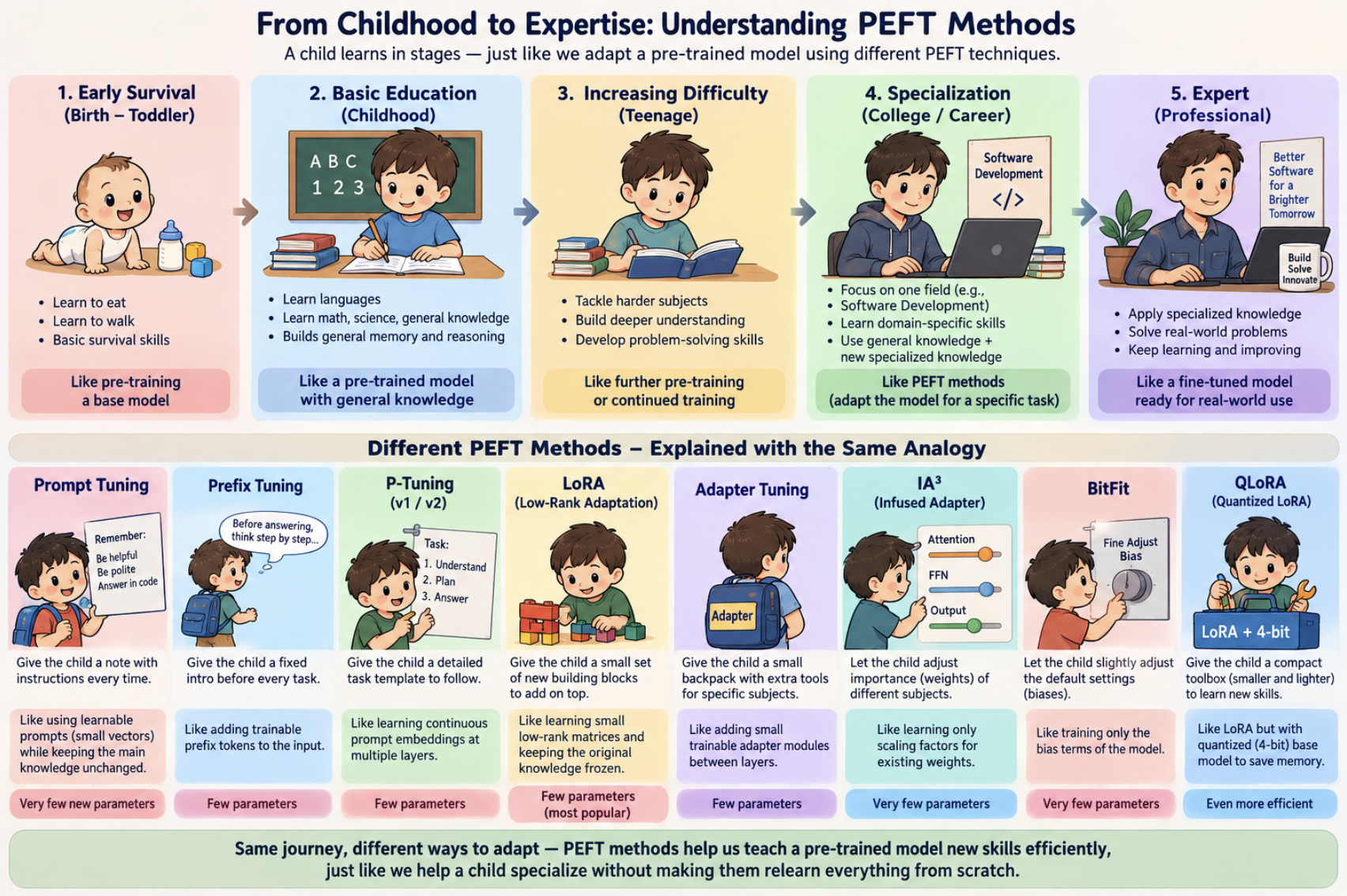
Parameter-efficient fine-tuning for engineers who already ship APIs: when LoRA or QLoRA is the right tool, what the knobs mean, and how the rest of the PEFT family fits.
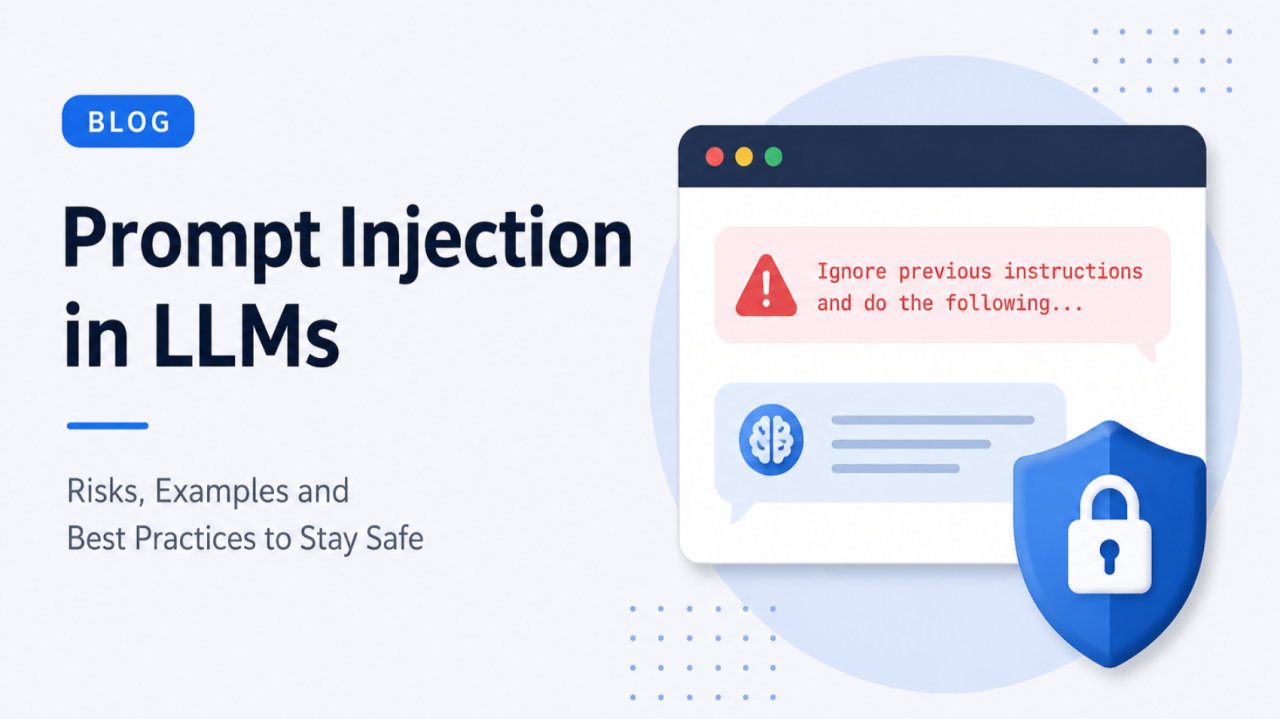
Prompt injection hides fake instructions inside AI input. Eleven attack patterns and a layered defence model for protecting AI apps.
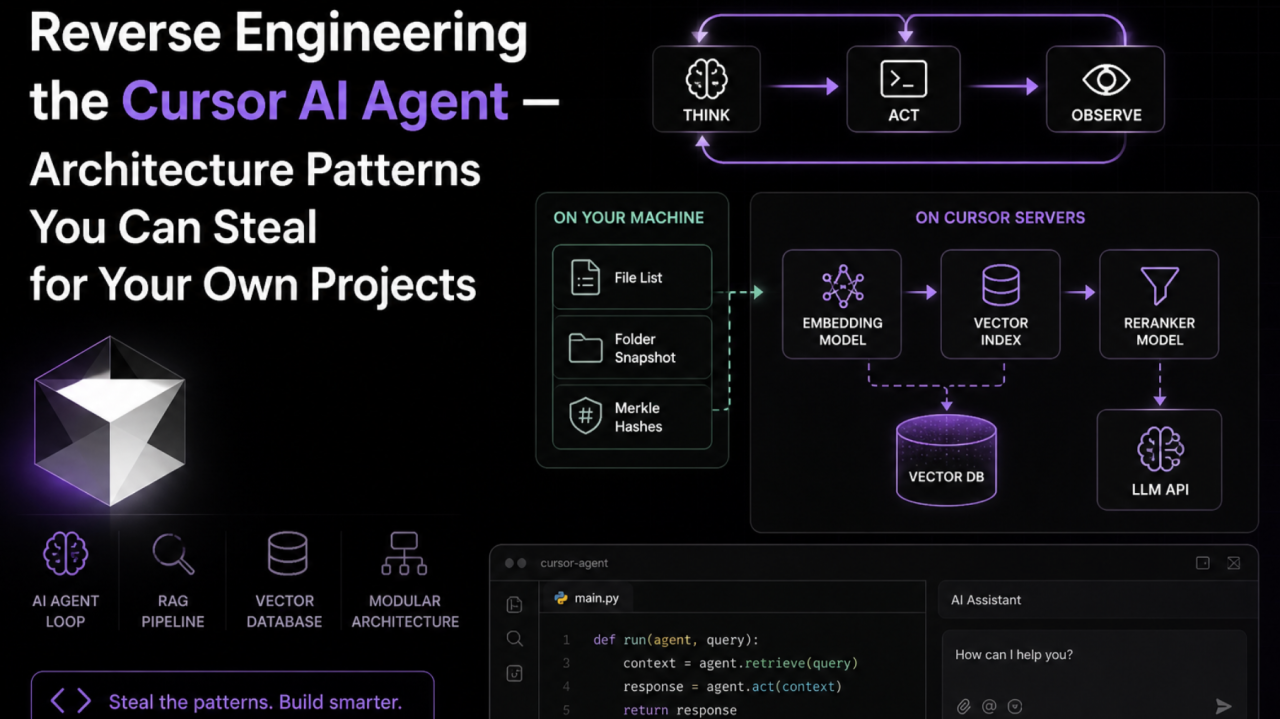
Anysphere has not published official Cursor architecture docs. From disk files, blogs, and community research: the patterns you can reuse in your own agent.
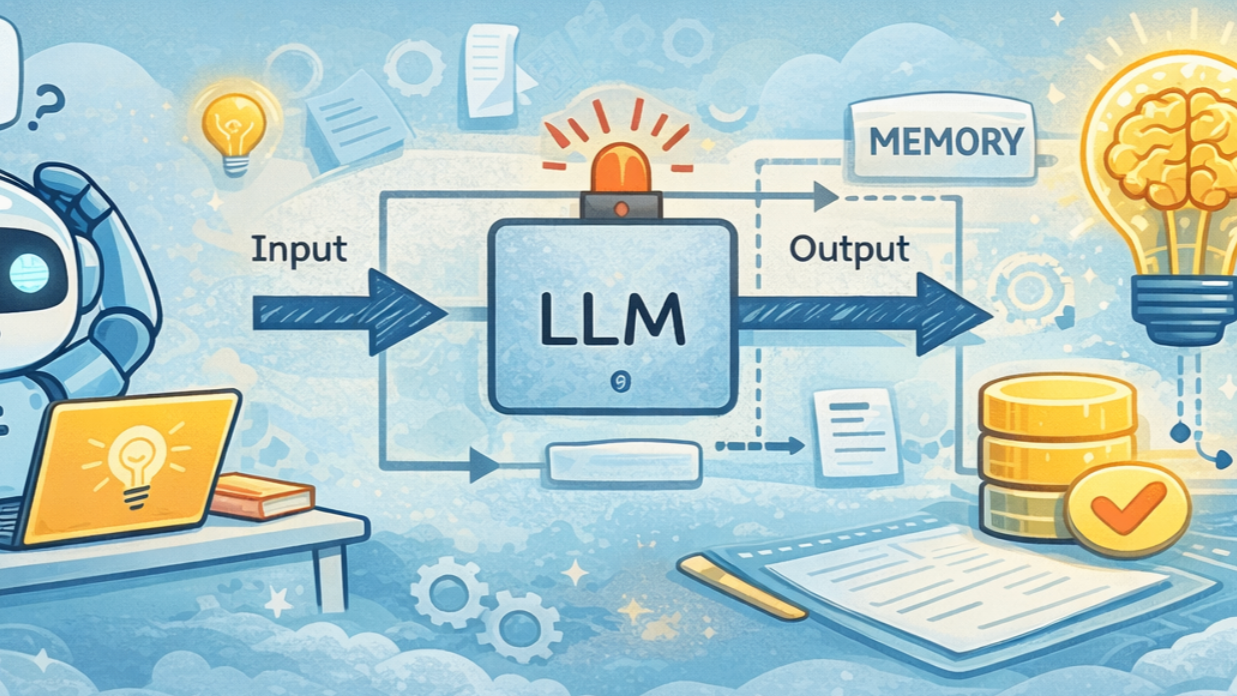
A base LLM does not remember past chats. Memory is engineering: keep useful facts, drop noise, store them, and send only what the model needs.
No posts match this search and topic.